The Ocular Command Center: How Eye Responses to Luminance, Color, Tunneling, and Visual Suppression Mediate Users' Physiological States in VR
Abstract
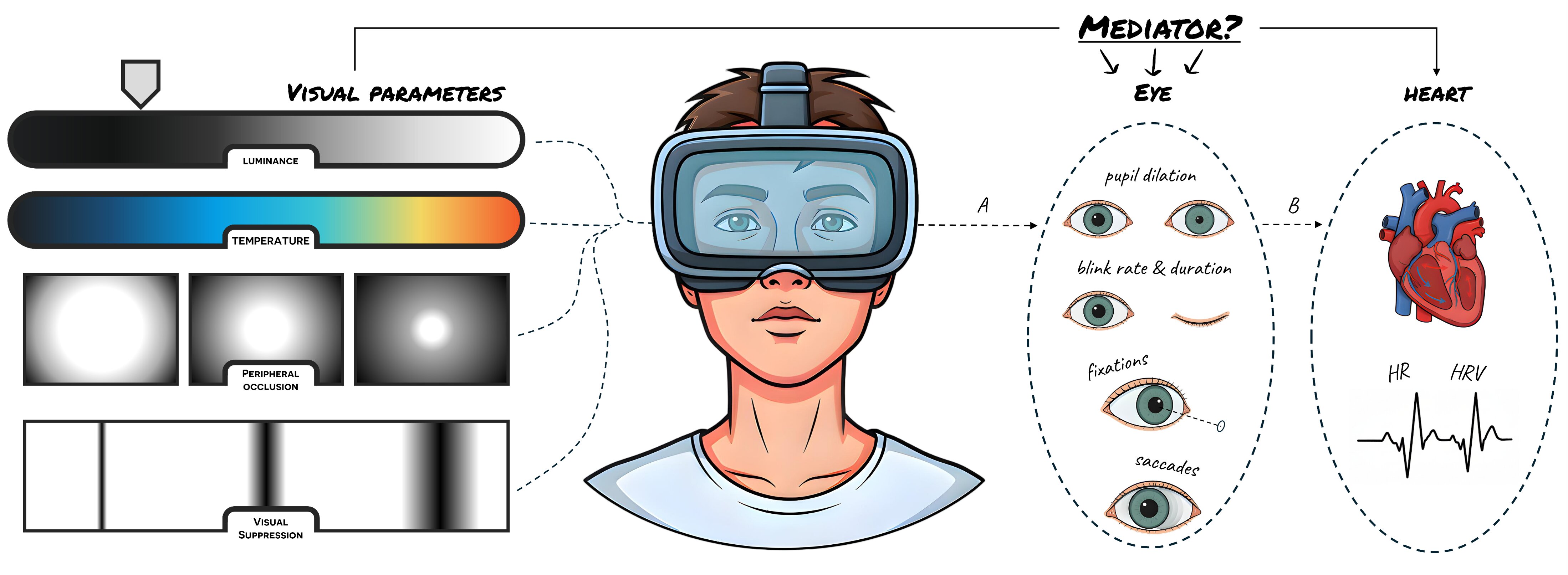
This work introduces the Ocular Command Center framework to investigate how eye responses mediate visual effects on physiology and user experience in virtual reality. In a controlled study (N=40), participants experienced variations in luminance, color temperature, peripheral occlusion, and periodic visual suppression while eye activity (pupil size, blinks, fixations, and saccades), cardiovascular responses (heart rate and heart rate variability), and subjective symptoms were measured. Luminance changes affected heart rate through pupillary reflexes. Color temperature affected heart rate variability without pupillary mediation, suggesting appraisal processes, and induced severe nausea. Peripheral occlusion and visual suppression modified oculomotor behavior without substantial cardiovascular effects. These findings demonstrate that visual manipulations could act through distinct reflexive, cognitive, and perceptual pathways, and not all extend equally to systemic physiology. This foundation supports adaptive VR design, regulating comfort, engagement, and physiological state.
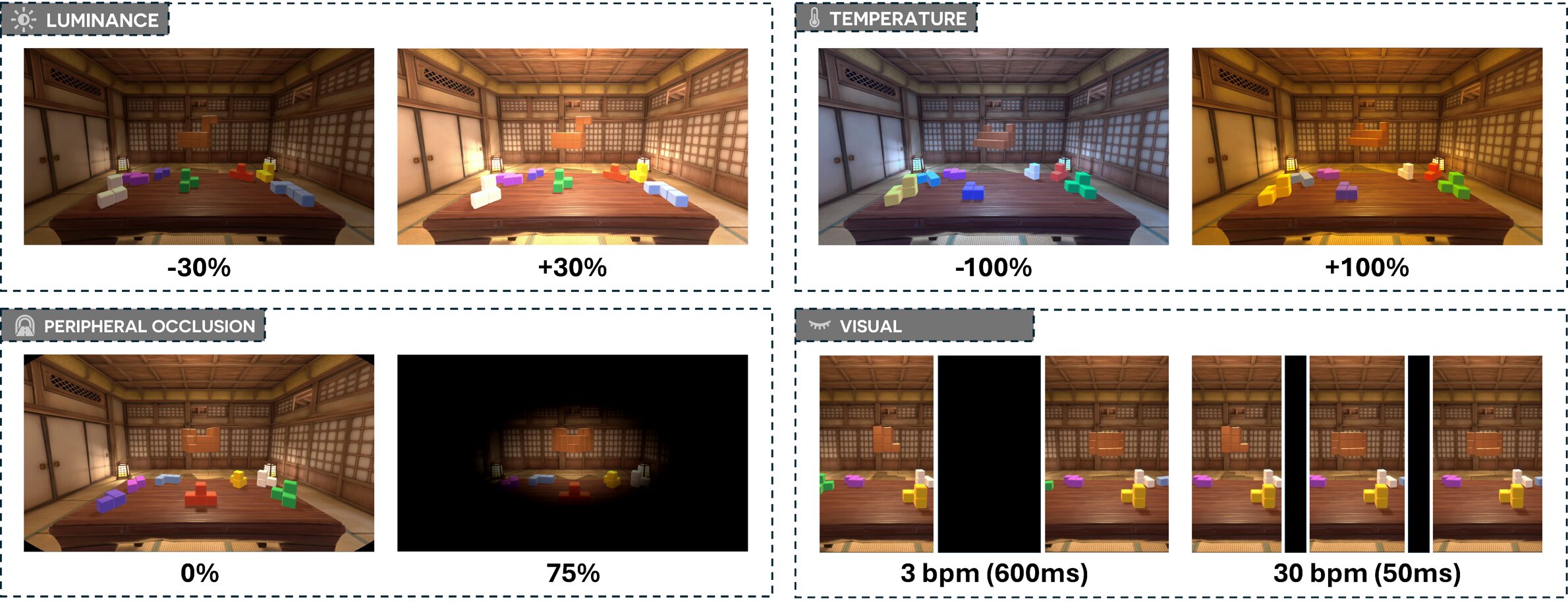
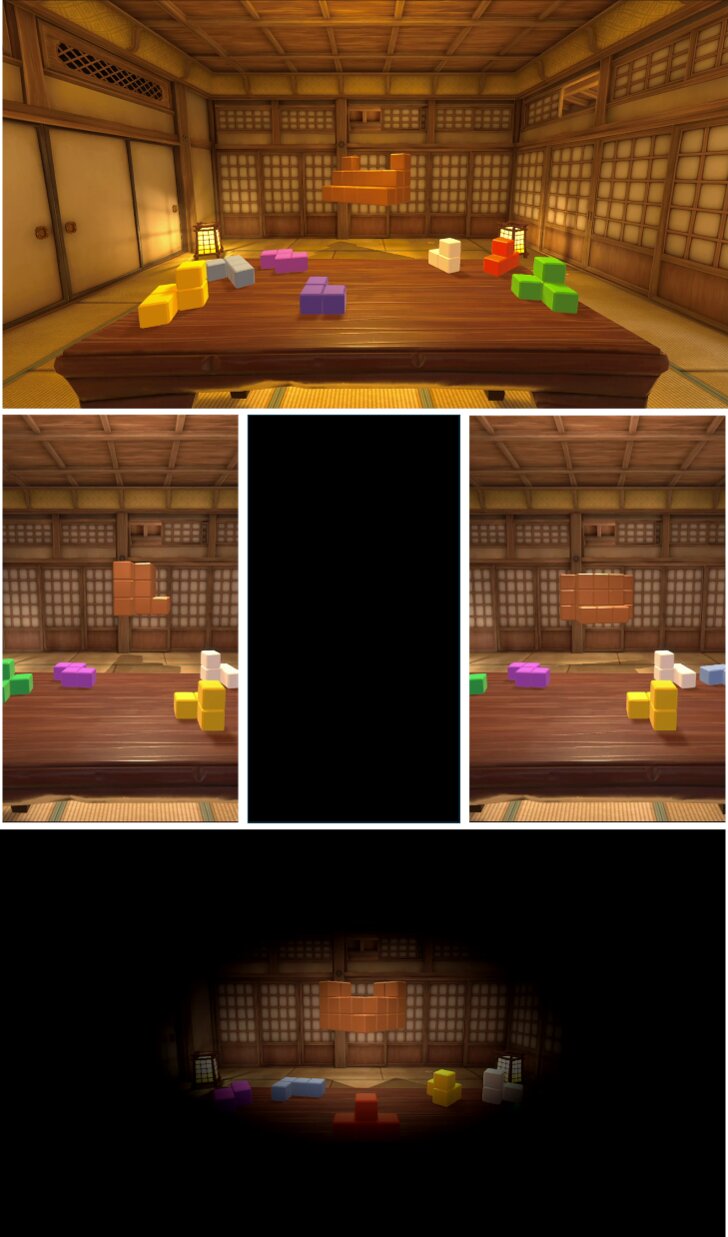
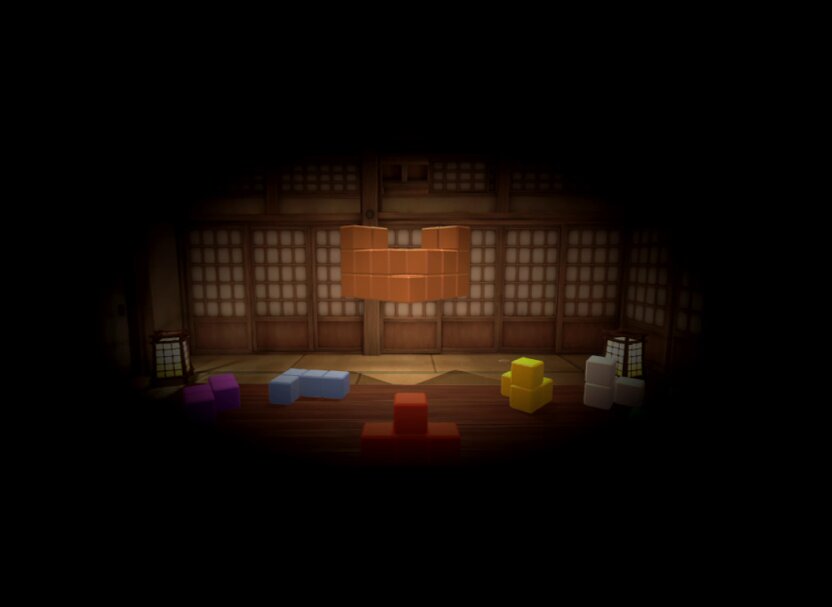
Figure 1. Visual conditions used in the study. The experiment manipulated four rendering dimensions inside the same VR scene: luminance at lower and higher brightness levels, color temperature at cooler and warmer tones, peripheral occlusion from no restriction to strong tunneling, and visual suppression using periodic black bars at slow and fast rates. These manipulations were designed to test how different visual pathways shape ocular behavior, physiology, and user experience.
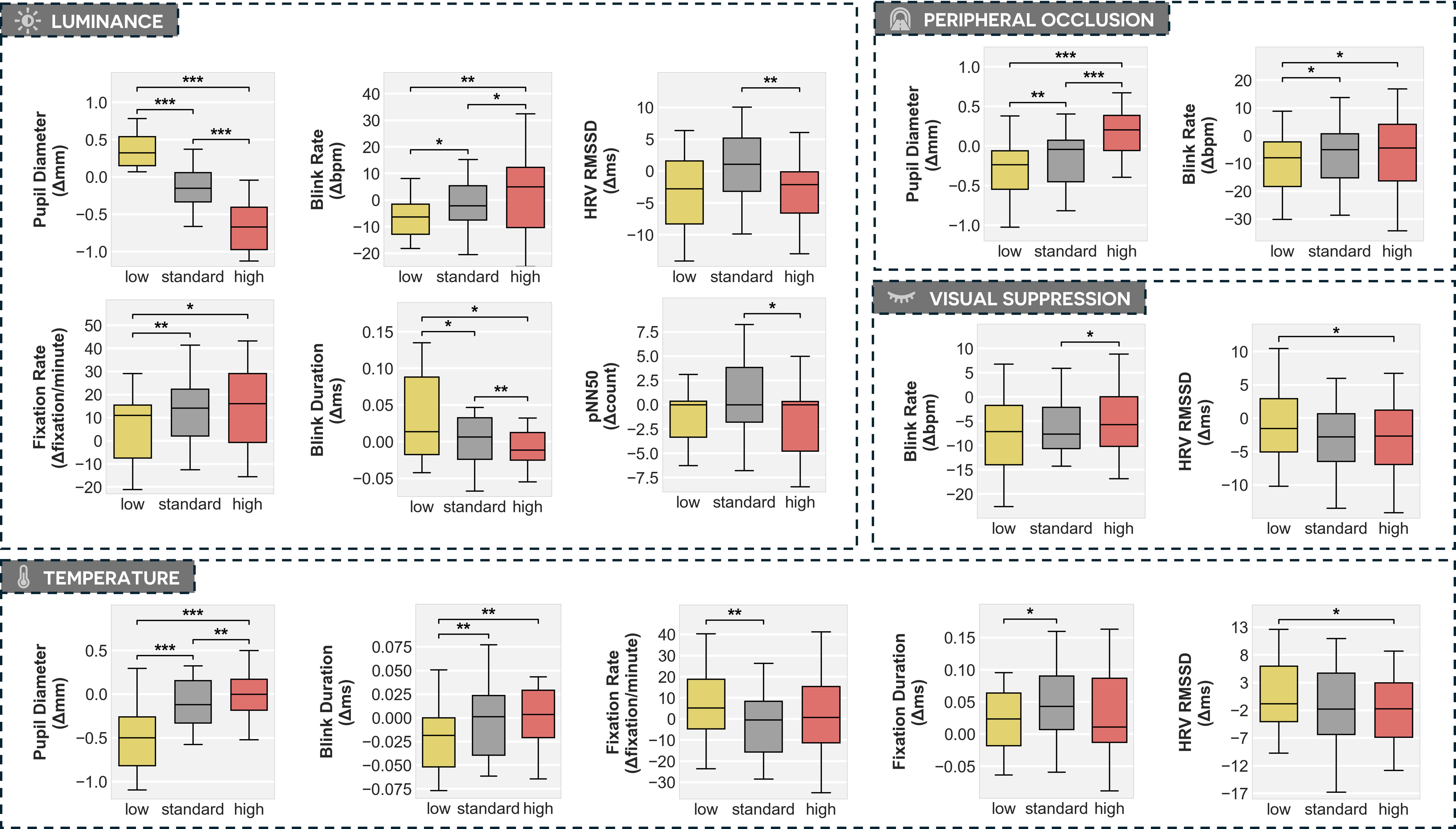
Figure 2. Summary of the main effects across visual manipulations. Luminance strongly altered pupil diameter and several oculomotor measures, and was the clearest route linking visual change to heart rate through pupillary response. Color temperature affected pupil size, blink duration, fixation duration, and heart rate variability, while also producing the strongest discomfort effects. Peripheral occlusion mainly changed pupil diameter and blink rate, and visual suppression primarily influenced blink rate and heart rate variability. Together, the results show that different visual manipulations act through distinct physiological and perceptual pathways.
Takeaways
Three research and design takeaways distilled from the paper's main findings.
Not all visual manipulations reach the body in the same way
The paper shows that the eyes are not a universal gateway from visual design to physiology. Luminance reliably changed pupil diameter and was the only manipulation whose effect on heart rate was significantly mediated by the pupil. In contrast, color temperature affected HRV and symptoms without evidence of pupillary mediation, pointing to a different mechanism.
Treat brightness, color, tunneling, and suppression as different control tools, not as interchangeable knobs for arousal regulation.
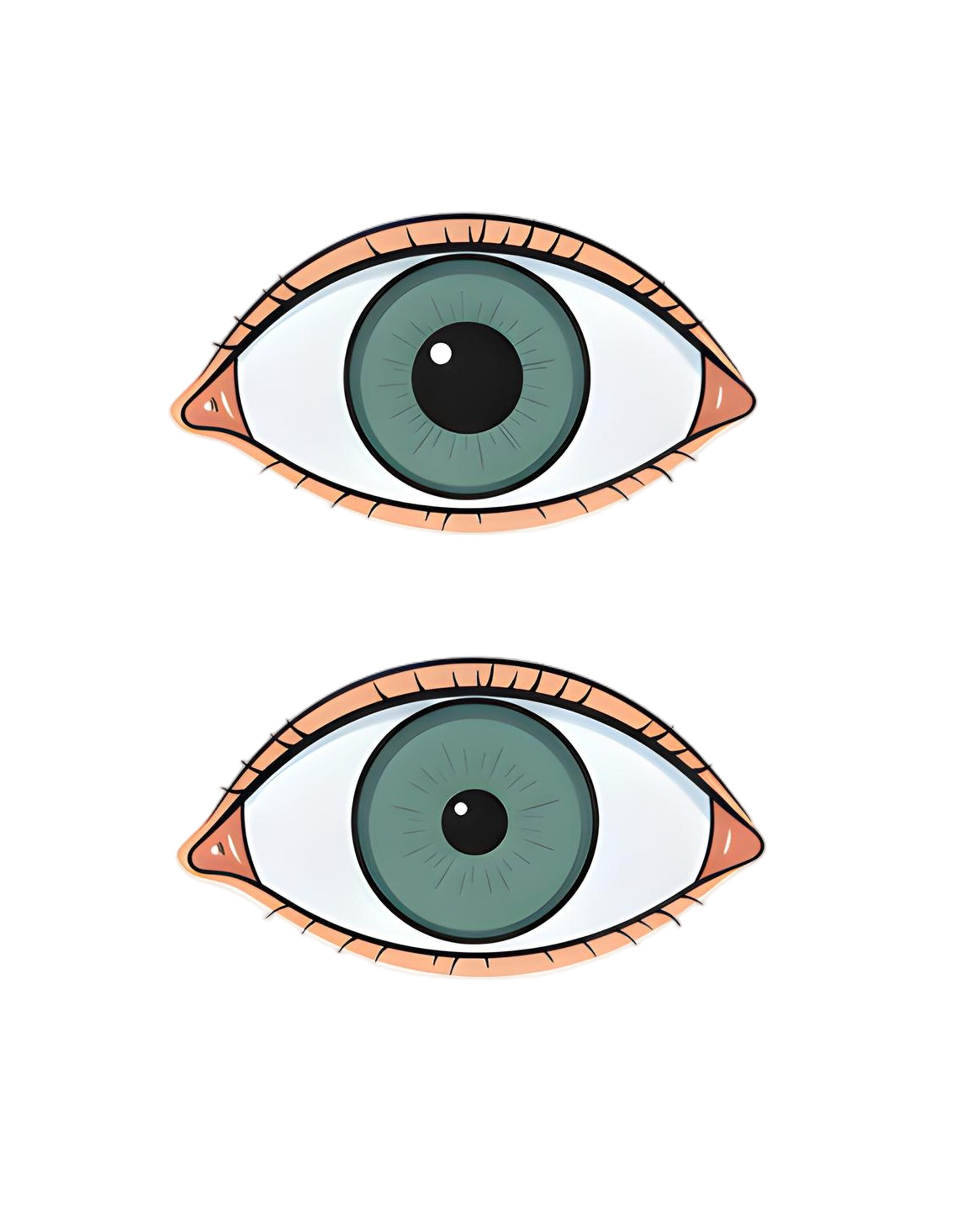
Pupil diameter is the clearest mechanistic bridge in this study
The strongest causal story in the paper is the luminance → pupil diameter → heart rate pathway. That matters because many VR systems assume visual effects work mainly through higher-level interpretation. Here, the evidence supports a more reflexive route, where basic ocular responses can help explain downstream physiological change.
Eye tracking is more than an outcome measure. In some cases it can be the mechanism that links rendering choices to physiology.
Some manipulations are useful because of comfort trade-offs, not cardiovascular impact
Peripheral occlusion and visual suppression changed blink behavior and fixation patterns more than they changed heart metrics. Color temperature stood out for producing the highest nausea, while peripheral occlusion increased boredom and reduced ocular symptoms. These are important findings because a visual technique can be meaningful for comfort, workload, or usability even when it does not strongly shift heart rate or HRV.
Evaluate visual interventions on multiple layers at once: physiology, eye behavior, and subjective symptoms.
Citation
APA
Valente, A., Esteves, A., & Billinghurst, M. (2026). The Ocular Command Center: How eye responses to luminance, color, tunneling, and visual suppression mediate users' physiological states in VR. In Proceedings of the 2026 CHI Conference on Human Factors in Computing Systems (CHI '26). Association for Computing Machinery. https://doi.org/10.1145/3772318.3791328
BibTeX
@inproceedings{valente2026ocular,
  author    = {Valente, Andreia and Esteves, Augusto and Billinghurst, Mark},
  title     = {The Ocular Command Center: How Eye Responses to Luminance, Color, Tunneling, and Visual Suppression Mediate Users' Physiological States in {VR}},
  year      = {2026},
  month     = {apr},
  booktitle = {Proceedings of the 2026 CHI Conference on Human Factors in Computing Systems (CHI '26)},
  address   = {Barcelona, Spain},
  publisher = {Association for Computing Machinery},
  doi       = {10.1145/3772318.3791328},
  isbn      = {979-8-4007-2278-3},
}